

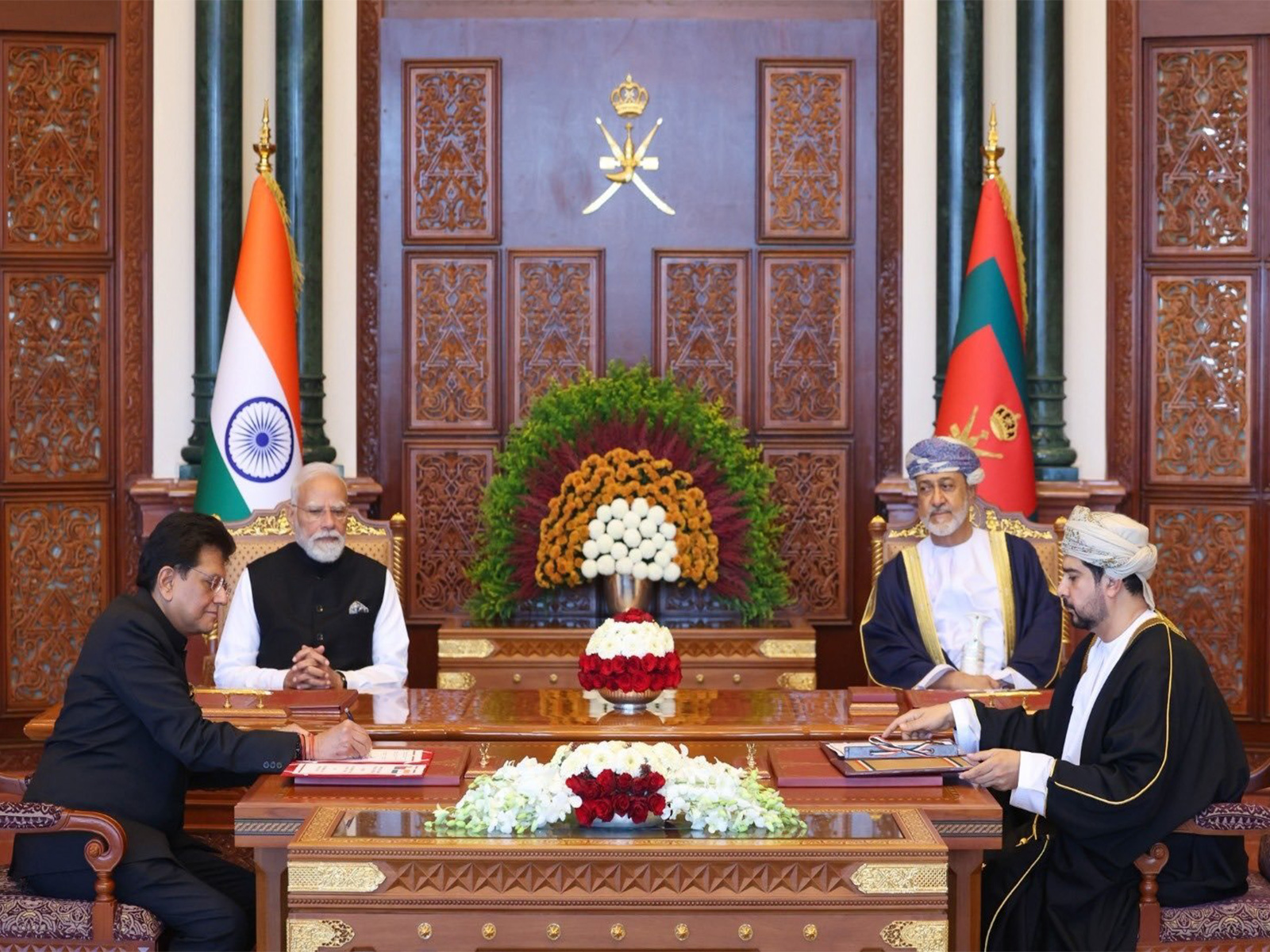
Union Minister for Commerce and Industry Piyush Goyal has said that India-Oman Comprehensive Economic Partnership Agreement – CEPA which was signed six month ago, has come into force from today. Addressing media in New Delhi, Mr Goyal said that CEPA is not simply a trade agreement; it is a statement of civilisational trust. Mr Goyal said that this comprehensive agreement will add a new momentum to India’s ties with Oman. The Union Minister informed that from day one , India will secure duty free access on 98 percent of Oman’s tariff lines covering over 99 percent of India’s export to Oman. He added that as this agreement takes effect, India’s workers, MSMEs and exporters in various sectors like textiles, sportswear, Agri products, pharma and medical devices, leathers , automobiles and marine products will step on to a preferential access against the competitors in Omani market. Mr Goyal said, this balanced free trade agreement opens doors to India’s export to Oman while protecting livelihoods.
The Minister informed that multiple consignments are being shipped today from Mumbai, Kolkata and Chennai to mark the operationalization of the agreement. Mr Goyal said that the agreement will serve as a strategic gateway to the wider Gulf Cooperation Council and East African markets through its advanced logistics and port infrastructure. Highlighting certain breakthroughs achieved under the CEPA, he said that Indian generic medicines approved by US FDA, European Medicines Agency or UK MHRA will now receive market authorization in Oman within 90 days. He added, India has also secured a binding commitment to protect Indian workers in non-service sectors under the agreement. Mr Goyal underlined that the India-Oman agreement is part of India’s nine Free Trade Agreements, covering 38 nations, finalized in the last three and a half years. He added, India is negotiating agreements with several countries including, Israel, Chile and Canada.
Meanwhile, Commerce Secretary Rajesh Agrawal said that the CEPA creates a framework for more resilient value chains, greater economic competitiveness and a stronger strategic partnership with regional and global relevance.