





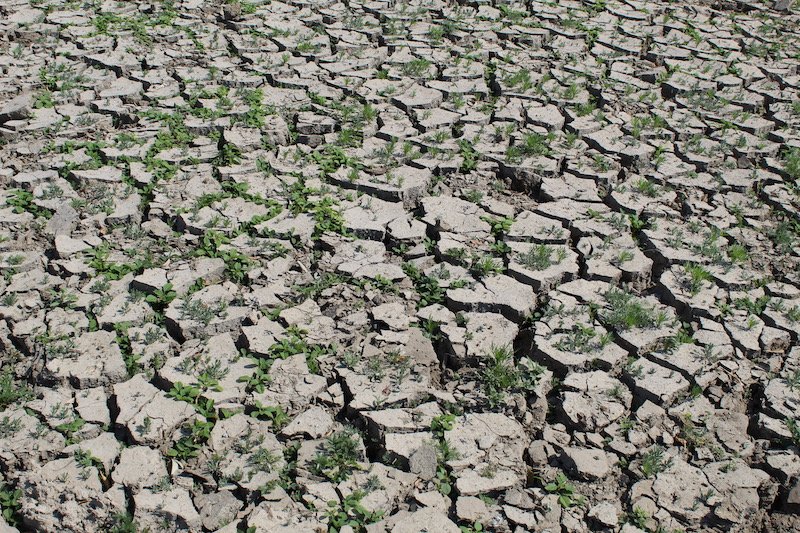
Dry weather is disrupting crop planting across Asia, raising concerns about food supplies in the world’s most populous region. Adding to this, an expected severe El Niño weather pattern could inflict more damage.
From India’s grain-producing northwestern plains to Australia’s eastern wheat belt and from Thailand’s rice fields to Indonesia’s vast palm oil plantations, hot weather and below-normal rains are hurting crops, forcing farmers to reduce planting, farmers, analysts and traders said.
El Niño-driven dryness is a double blow for farmers already grappling with fertiliser and diesel shortages caused by the Iran war.
Wheat prices have risen about 20 per cent since the start of the year, largely on concerns over drought in key U.S. growing regions. Rice prices at major Southeast Asian export hubs have climbed around 15 per cent over the past month on rising production costs and fears of tighter supplies.
One of the strongest El Ninos on record is widely expected to develop in the second half of 2026, bringing hot-dry weather to Asia and excessive rains to the Americas, with global climate change making things worse. In India, the meteorological department last week further reduced its forecast for the four-month monsoon season, which delivers about 70 per cent of annual rains.
Rice prices are edging up even though India, which accounts for 40 per cent of global exports, is sitting on ample supplies after years of near-record harvests.
