

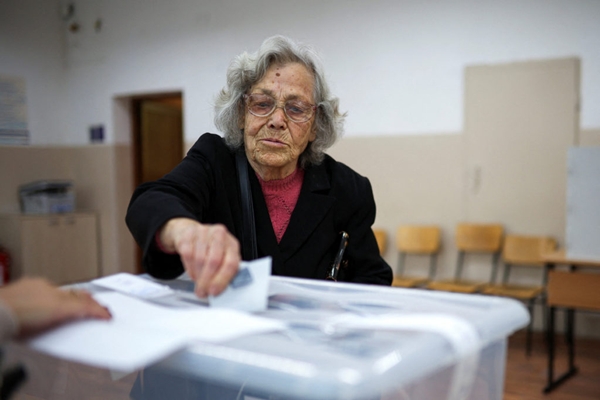
Bulgaria’s recent presidential election ended without a conclusive winner. The country’s next head of state will be decided in a runoff election on the 1st of next month. The election experienced a record-low voter turnout. The incumbent leftist president, Iliana Yotova, is backed by Prime Minister Rumen Radev’s Progressive Bulgaria party. She will face Andrey Gyurov, a former caretaker prime minister and the candidate for the pro-Western reformist opposition.
For a candidate to have won in the first round, the election required a voter turnout higher than 50 percent of the 6.6 million registered voters, alongside a absolute majority of the votes cast. Because these conditions were not met, the final outcome remains deferred until the upcoming runoff.
Citizens cast their ballots against a backdrop of growing economic hardship and heightened security concerns. The election campaign focused heavily on Russia’s invasion of Ukraine and widening hostilities in the Black Sea.
In Bulgaria, presidents are elected directly by the citizens to serve a five-year term, and they are restricted to a maximum of two terms in office. Although the role of the president is primarily ceremonial, the fact that they are chosen through a direct popular election gives the office holder greater political authority.