





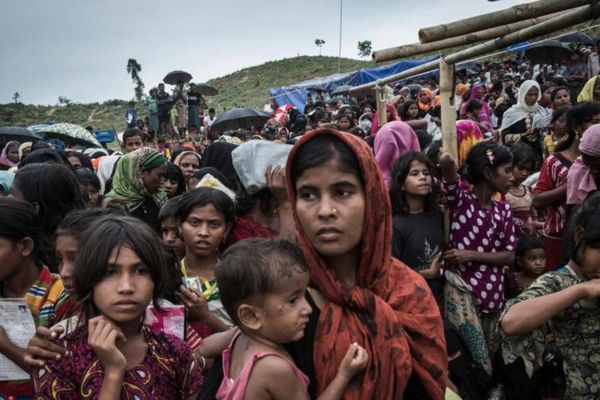
The Rohingya refugee response in Bangladesh has entered what the UNHCR describes as a “fragile phase”, marked by declining international funding, deteriorating camp conditions and growing protection concerns, nearly a decade after the mass exodus from Myanmar.
Presenting the 2026 Joint Response Plan, the United Nations and its humanitarian partners have appealed for over 710 million US dollars to support nearly 1.56 million Rohingya refugees and members of host communities.
UNHCR Representative in Bangladesh, Ivo Freijsen, said continued instability in Myanmar, coupled with deteriorating conditions in the camps, has made the humanitarian situation increasingly vulnerable.
Nearly 1.3 million stateless Rohingyas continue to live in Bangladesh with limited prospects of returning to Myanmar. Humanitarian agencies say livelihood opportunities inside the camps remain severely restricted. According to UNHCR data, only 23 percent of refugee households earned income through cash-for-work programmes last year, while 35 percent had no source of income and depended entirely on humanitarian assistance.
Women, children, elderly persons, people with disabilities and around 150 thousand new arrivals since early 2024 are among those most affected by funding shortages. Many of the new arrivals continue to live in overcrowded camps without adequate shelter.
The UN has reiterated the need for voluntary, safe and dignified repatriation of Rohingyas to Myanmar, but says progress remains limited.
