


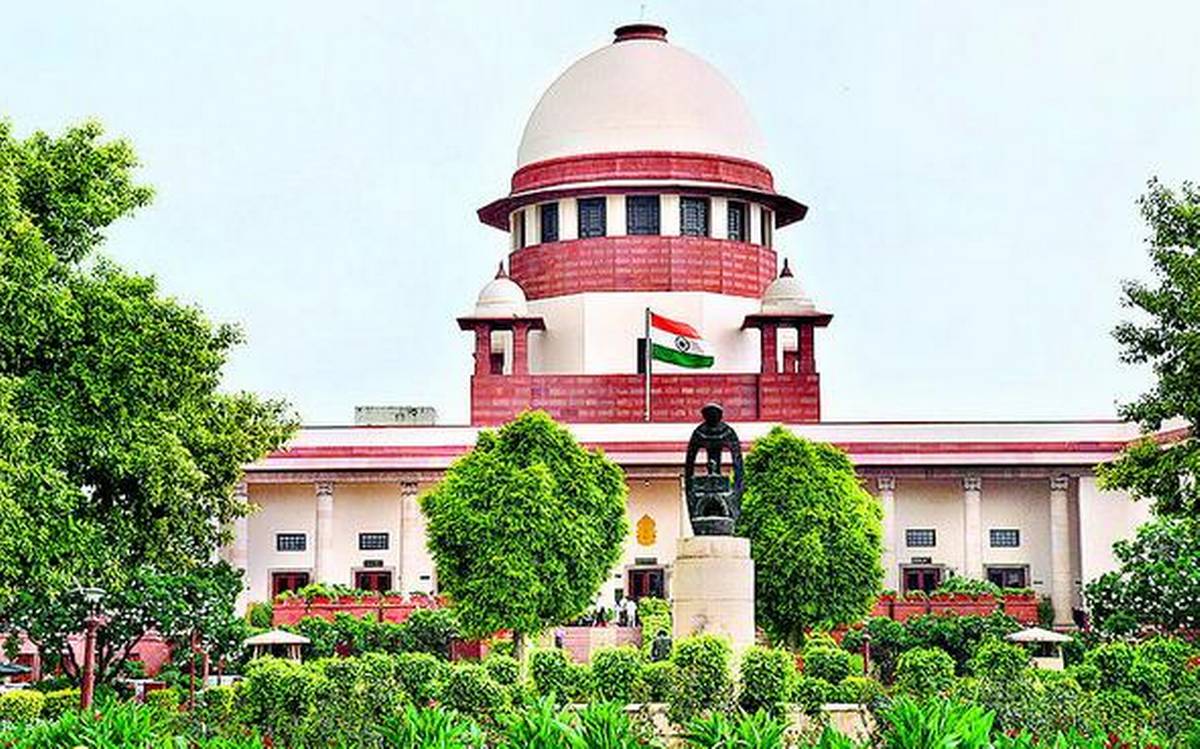
The Supreme Court has acquitted a man convicted of murder, ruling that WhatsApp messages allegedly linking him to the crime could not sustain the conviction in the absence of reliable supporting evidence.
A Bench of Justices Manoj Misra and Vijay Bishnoi observed that both prosecution witnesses had denied witnessing the alleged fight between the accused and the deceased. One of the witnesses also denied sending the incriminating WhatsApp message, raising doubts about its authorship and reliability.
The Court held that the messages could not be treated as evidence forming part of the same transaction under Section 6 of the Evidence Act, as the time of death had not been established. It noted that the exchange, at best, raised suspicion, which was insufficient to sustain a murder conviction.
The case concerned the death of a man whose body was found in an open field in February 2019. The prosecution had also relied on the recovery of an iron rod, a screwdriver and blood-stained material. However, the Court found gaps in the chain of circumstantial evidence, noting that the blood could not be linked to the deceased through DNA evidence and the possibility of an accident could not be ruled out.
The Supreme Court allowed the appeal and set aside the conviction, holding that the evidence on record was insufficient to establish the accused’s guilt.