

Four films from the Northeast have been selected for screening in the Indian Panorama section of the 57th International Film Festival of India (IFFI) 2026. The selection comprises two feature films and two non-feature films from Arunachal Pradesh, Assam and Mizoram, bringing the region’s diverse cultural heritage, indigenous traditions and contemporary stories to national and international audiences.
Leading the feature film selection is Urum (Spirit), which marks a historic milestone as the first Nyishi-language film to be selected for the IFFI Indian Panorama. Set in a remote mountain village in Arunachal Pradesh, the film explores indigenous memory, trauma and concealed truths through the story of a father haunted by visions and guilt following the loss of his young daughter. Directed by Duyu Tabyo, the psychological thriller is also slated for its World Premiere at the festival.
The other feature film, Surjyamukhi (Sunflower), is an Assamese drama directed by actor-director and theatre practitioner Antara G.G. Choudhury. Set against an urban backdrop, the film follows two young colleagues, Pushpal and Prarthana, whose initial rivalry gradually gives way to friendship and romance. However, the discovery of a lost bag of money sets off a series of unexpected moral dilemmas, testing their choices and relationships.
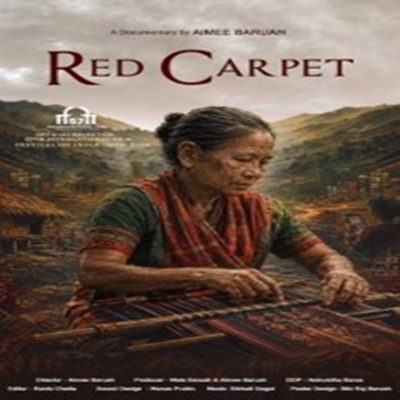
The Non-Feature Film section will feature Red Carpet, a 30-minute Assamese documentary written and directed by award-winning filmmaker Aimee Baruah. Set in the Karbi Anglong hills of Assam, the documentary follows a Karbi weaver from Donkamokam village on an extraordinary journey to the red carpet at Cannes. The film celebrates traditional handloom craftsmanship and highlights the resilience of indigenous artisans and the importance of preserving ancestral weaving traditions.
The other selection, Chalo India With Eric Ji – Mizoram, is an English documentary directed by Rajdeep Choudhury. It follows former British Member of Parliament and history teacher Eric Ollerenshaw OBE as he explores Mizoram’s social and cultural landscape. The documentary offers insights into the state’s high literacy levels, civic discipline and vibrant football culture, while highlighting the contributions of Mizo women in business, education and community leadership.
The selection of these four films underscores the rich cultural diversity and emerging cinematic talent of Northeast India, bringing stories rooted in the region’s traditions, identities and contemporary experiences to the forefront of the 57th IFFI. The festival will be held in Goa from the 20th to the 28th of this month.