


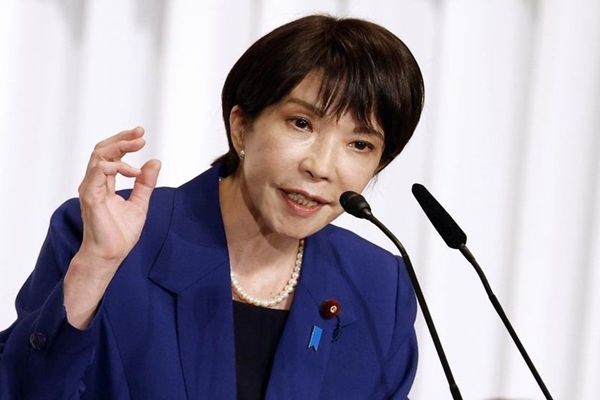
The Japanese parliament today approved a law to set up a National Intelligence Council to centralise information gathering in response to overseas threats. Establishing the council is one of the key aims of Japanese Prime Minister Sanae Takaichi’s governing agenda. She has vowed to strengthen intelligence and counter-espionage capabilities as part of a response to what her government terms the most complex security environment since the end of the Second World War. Takaichi has said that a system must be created for registering foreign government actors engaged in lobbying activities and stressed that Japan must establish its own external intelligence agency.
However, the new law does not include provisions for parliament to oversee intelligence activities, sparking questions about democratic oversight as some believe that the legislation could infringe on people’s rights. The council will be chaired by Sanae Takaichi and will have nine other cabinet members. Japan’s fragmented intelligence apparatus will be centralised under the new law.