

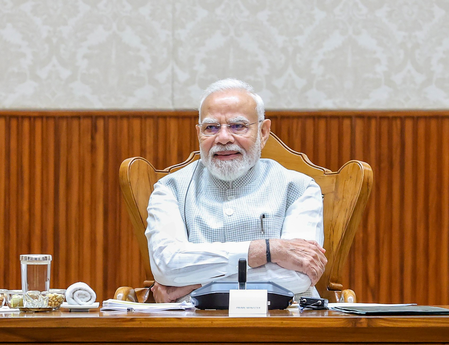
Prime Minister Narendra Modi has completed 25 years in public service, a journey defined by the mantra of Jan Seva Se Desh Seva, and a relentless commitment that continues. Guided by this vision for Seva and Sushasan, the Government has been ceaselessly working towards achieving the goal of a Viksit Bharat by 2047. Through inclusive development and social empowerment, this dedication is transforming lives. Today, in our special series, we bring you an instance of how this vision has been translated into action through initiatives like the Jan Vishwas Act.
For many years, several laws in India treated even small procedural mistakes as criminal offences, and many of these provisions came from older regulatory systems. Recognising the need to make laws more balanced and practical, the Narendra Modi Government began a process of reviewing such provisions. An important step in this direction was the Jan Vishwas (Amendment of Provisions) Act, 2023, which removed criminal penalties for a number of minor offences across several Central laws. The government continued this reform by introducing the Jan Vishwas (Amendment of Provisions) Bill, 2026, which was passed in Parliament in April this year. When it became an act, it rationalised more than 1000 offences, removing outdated and redundant provisions, thereby improving the overall regulatory environment. In his address on Independence Day last year, Prime Minister Narendra Modi said that his government has abolished more than 40,000 unnecessary compliances and also scrapped over 1,500 obsolete laws.
Addressing the press conference after the Bill was passéd, Commerce and Industry Minister Piyush Goyal said that this legislation is an important milestone in the country’s journey towards Viksit Bharat 2047.
The Jan Vishwas Act represents a major step towards modernizing India’s regulatory framework and aligning it with globally accepted principles of proportionate and risk-based regulation.