

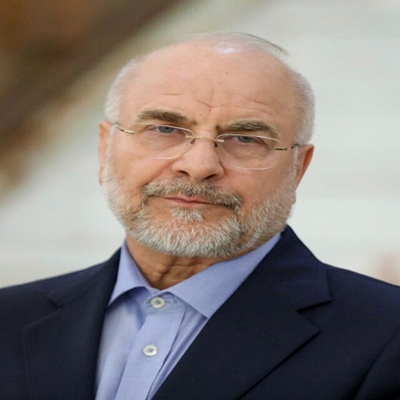
Iran today said that the Strait of Hormuz will remain closed to maritime traffic until all Iranian conditions under the 14-point Memorandum of Understanding (MoU) signed with the US are fully met. Tehran has tied the reopening of the strategic waterway directly to the complete removal of foreign sanctions and the cessation of military operations. Warning adversaries against further escalation, Iranian Parliament Speaker Mohammad Bagher Ghalibaf asserted that the Islamic Republic is ready to impose a heavier defeat on the enemy in proportion to its actions and aggressions.
Ghalibaf defended the diplomatic process, saying that the 60-day window provided by the MoU to halt military hostilities offered a vital opportunity to strengthen Iran’s national defence and domestic economy. Addressing the issue of domestic resolve, Ghalibaf emphasised that Iran remains committed to honouring its “martyrs” and protecting national sovereignty. The Speaker also warned against foreign attempts to disrupt internal stability, stressing that political officials and the public remain united.
The conclusion of the 60 days leaves these core disagreements unresolved. For Tehran, normalising traffic through Hormuz remains contingent on the cessation of the blockade, troop withdrawals, and reparations.
On the other hand, US President Donald Trump said the US has no planned talks with Iran but insisted the Strait of Hormuz remains “open and operating. In a social media post Trump noted that a US blockade in Straight of Hormuz remains “in full force and effect. He asserted that all water mines have been removed. The post comes after a 60-day negotiating period between the US and Iran ended this week with no clear end to the war in sight.