


India has undergone a remarkable transformation, driven by the principles of Sabka Saath, Sabka Vikas, Sabka Vishwas and Sabka Prayas under the visionary leadership of Prime Minister Narendra Modi over the last 12 years.
During this period, the Modi government has carried out several flagship initiatives for the welfare and empowerment of the poor, farmers, women, and youth. Akashvani News brings a special feature titled “12 Saal—Vishwas Ke, Vikas Ke, Jan Kalyan Ke.” Today, the focus is on the measures taken by the government towards positioning India as a global leader through its foreign policy.
Over the last 12 years, India has emerged as a formidable global player driven by bold initiatives that combine ambition with action. Prime Minister Narendra Modi’s leadership has anchored these efforts in responsibility and inclusivity, ensuring India’s voice resonates across global platforms. India has strengthened its old relationships while building new partnerships, infusing fresh energy into its foreign policy while keeping the principle of “India First” at the centre.
A major highlight of India’s foreign policy came during the COVID-19 crisis with the launch of the Vaccine Maitri initiative as a testament to its human-centric diplomacy. Since January 2021, India has supplied over 30.12 crore vaccine doses to 99 countries and two UN bodies. This included 1.51 crore doses gifted to more than 50 nations and 5.2 crore doses through the COVAX mechanism. Under Vaccine Maitri, India prioritised its neighbouring nations under the Neighbourhood First policy.
Amid widespread panic and global vaccine hoarding, New Delhi’s swift regional response served as a crucial turning point for Bangladesh. Speaking to Akashvani News, Dr Jyotishko Biswas, a physiotherapist and yoga teacher based in Bangladesh, said that the rapid dispatch of vaccines from India was a profound gesture of goodwill. He extended thanks and best wishes to India, its government, and its people.
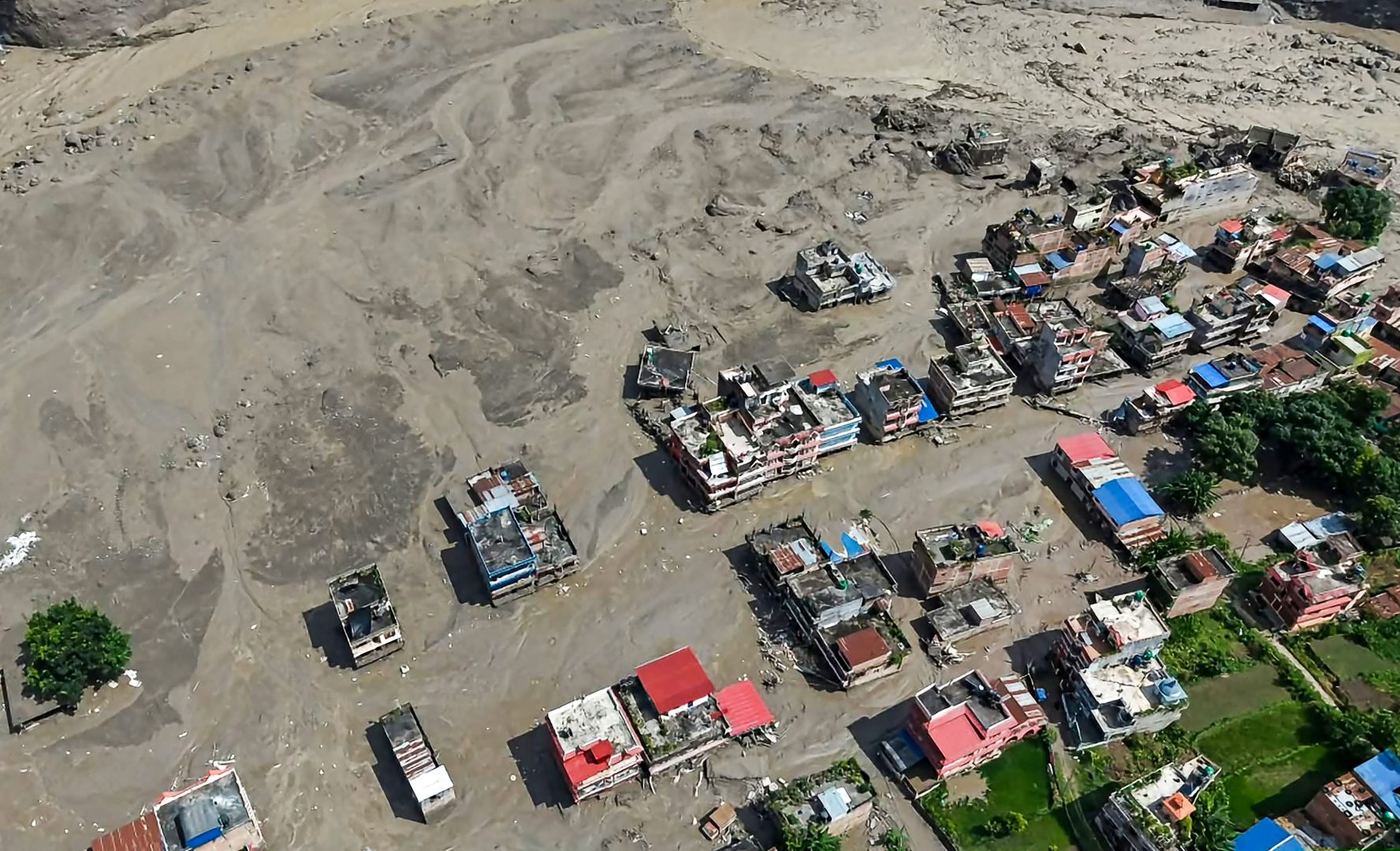
Humanitarian Assistance and Disaster Relief operations are a vital part of India’s global engagement. Cyclone Ditwah made landfall on the eastern coast of Sri Lanka in November 2025, leaving hundreds dead, thousands displaced, and critical infrastructure damaged. Standing in solidarity with the people of Sri Lanka, India launched Operation Sagar Bandhu to provide immediate humanitarian assistance and disaster relief.
The effort brought together the Indian Navy, Air Force, Army, and disaster-response teams in a coordinated rescue and relief operation. India provided comprehensive support to Sri Lanka, including immediate relief supplies, medical aid, search and rescue assistance, and restoration of damaged infrastructure.
India delivered more than 1,000 tonnes of relief material, including dry rations, tents, tarpaulins, hygiene kits, clothing, water purification kits, and around 4.5 tonnes of medicines and surgical equipment, besides 60 tonnes of specialised equipment. Indian Navy ships transported over 1,000 tonnes of relief from Tamil Nadu. Indian Air Force helicopters evacuated 264 survivors and airlifted 50 tonnes of supplies, while over 2,500 stranded Indians were evacuated.
Post-Cyclone Ditwah, India sent consignments of 14 Bailey Bridges for the reconstruction and strengthening of critical connectivity infrastructure in affected areas. Thanking the Indian government, Sri Lanka’s Deputy Minister for Ports and Aviation, Janith Ruwan Kodithuwakku, stated that India had shown immense warmth and solidarity towards the people of Sri Lanka.
In the last 12 years, India has stepped up as a global leader through impactful initiatives like Vaccine Maitri and Operation Sagar Bandhu that blend vision with execution. Its commitment to humanitarian aid and regional partnerships is anchored in the civilisational ethos of Vasudhaiva Kutumbakam.