

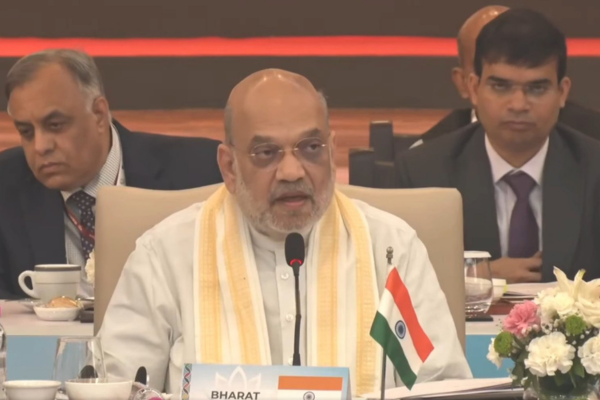
India is hosting the first Bay of Bengal Initiative for Multi-Sectoral Technical and Economic Cooperation, BIMSTEC Home Ministers’ Meeting in New Delhi. This historic meeting highlights the collective commitment to combating terrorism, transnational organized crime, narcotics, radicalization, human trafficking, illicit financial flows, and cyber threats.
Speaking on the occasion, Union Home Minister Amit Shah said that BIMSTEC has emerged as an important platform for regional integration, economic cooperation and collective security. He said India has always been committed to peace and human welfare, guided by the principle of Vasudhaiva Kutumbakam. Mr Shah reiterated that India respects the sovereignty and territorial integrity of all countries and believes in the peaceful resolution of disputes.
Reaffirming India’s policy of zero tolerance towards terrorism, the Union Home Minister called for a collective commitment to ensure that no terrorist network finds space within the region for shelter, recruitment, training, financing or activities against neighbouring countries. Mr Shah also emphasised mutual assistance in extradition and legal cooperation, in accordance with national laws and applicable treaties. He said criminal networks operate across borders and exploit local vulnerabilities. Mr Shah stressed the need for real-time cooperation and coordination among intelligence, law enforcement, financial monitoring and border management agencies.
On counter-terrorism cooperation, the Minister stressed the exchange of actionable intelligence through designated nodal agencies and better coordination against terrorist financing and organised crime. Mr Shah said India has achieved significant success in bringing fugitive criminals back from different parts of the world to face justice. He appealed to all BIMSTEC members to strengthen cooperation to ensure that no criminal or terrorist can evade the law, regardless of where they are hiding.
BIMSTEC is a regional organisation established in 1997 to promote economic and technical cooperation among countries around the Bay of Bengal and its neighbourhood. It has seven member states: Bangladesh, Bhutan, India, Myanmar, Nepal, Sri Lanka and Thailand. It aims to promote economic and technical cooperation among countries bordering the Bay of Bengal and in its neighbourhood.